Academic
INOR offers PhD and MSc in Optoelectronics for the following research fields i.e. Nano Materials Fabrication and Characterization; Nano Materials and Devices; Nano Device and Packaging; Modelling and Simulation of Nano Optoelectronic Devices; Nano Integrated Systems; Solid State Lighting Solutions; and Nano Optics. INOR is also offering Master of Science (Nano-Optoelectronics) Mixed Mode Program in both full time and part time modes, which are opened for registration in both Semester I and Semester II. The program is in line with the current requirements in the field of Nano Optoelectronics, such as energy-efficient devices, renewable energy sources, green technology, air and water purification, light-based communications, nano medicine, and more. In addition, the uniqueness of the program is the integration of nanotechnology and optoelectronics. The program is also in line with current industry needs and is able to produce knowledgeable and skilled graduates to solve fundamental problems as well as research and development issues.
Research Niche Area
NOR focuses on research and development (R&D) from the areas of nanoscience, nanomaterials, nanofabrication and nanoengineering that are collectively building intellectual and technological bridges from nanoscale concepts to practical nano optoelectronic devices and systems. Our research niche areas are Nano and Advanced Materials, Light Emitting Diode (LED)/Laser, Sensor, Solar Cell, and Power Device.


2002
Funding Received
-
From The Ministry of Science, Technology and Innovation (MOSTI), Malaysia under IRPA (RMK8) Strategic Research Grant.
-
Program title: Blue Light Emitting Devices. Total budget = RM22.5 mllion.


2004
NOR Lab Established
-
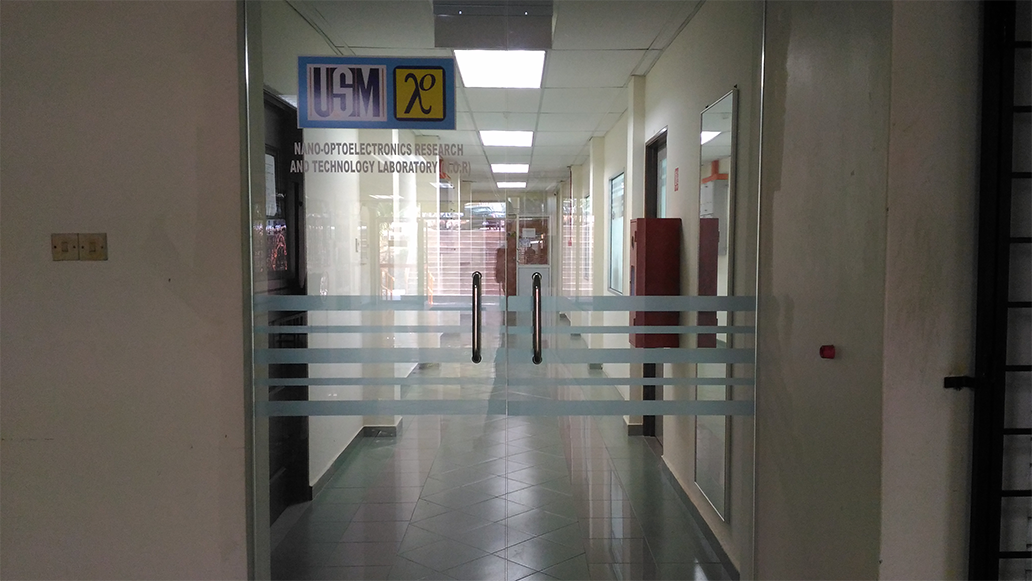
Nano-optoelectronics Research and Technology (NOR) laboratory, School of Physics, USM launched by the USM Deputy Vice Chancellor of Research and Innovation, Dato Prof. Dr. Idris Salleh on 20th November 2004.
2005
Started operation
-
Served as a research and traning center for academia and industry. The services include characterization, calibration, testing and consultation. The equipment and facilities in NOR Lab are estimated to be worth RM 25 million
2009
Funding from Islamic Development Bank (ISDB)
-
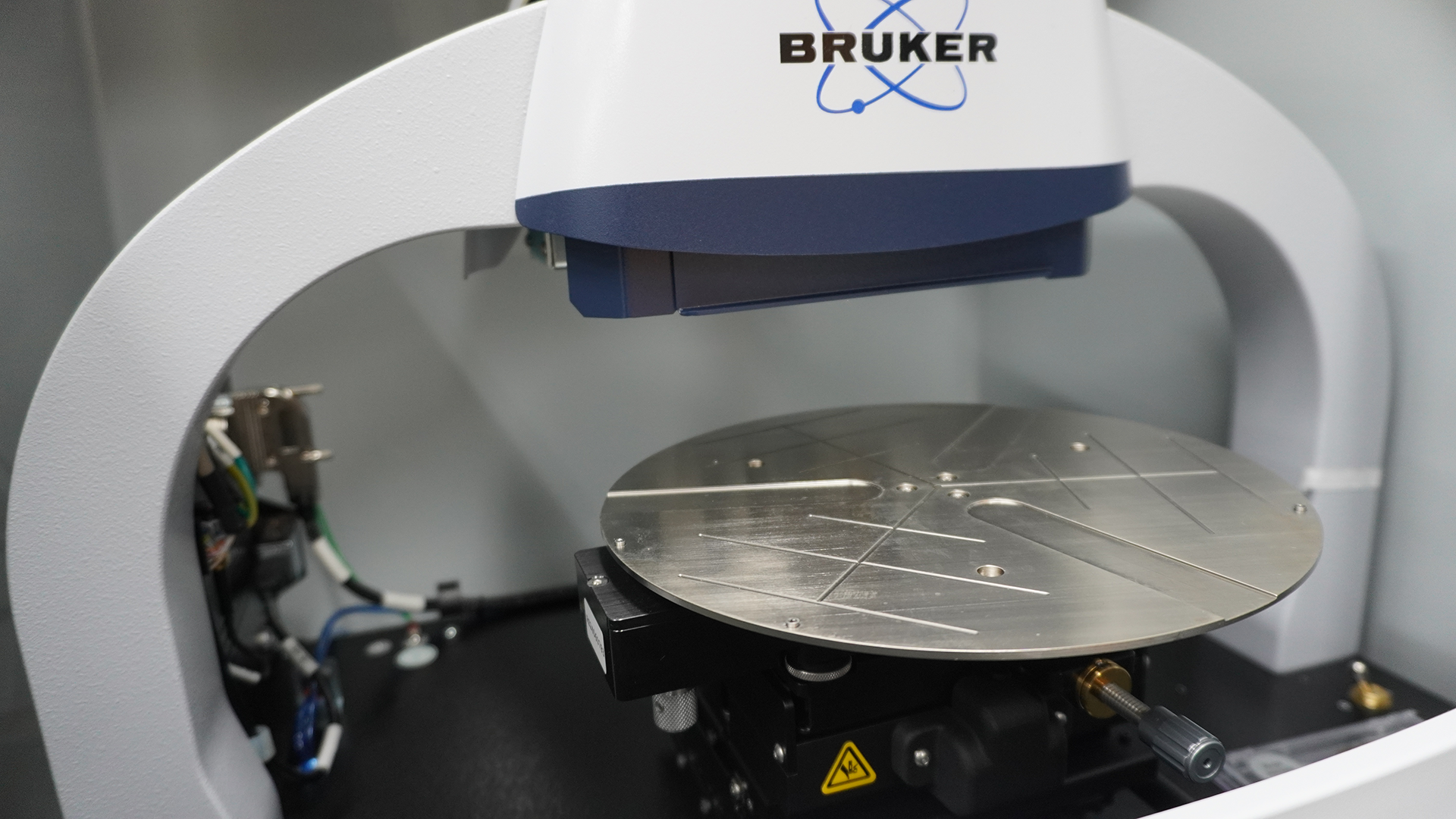
Few high-end characterization tools were purchased, i.e., FESEM, RF sputtering system, and AFM.

2014
Institute of Nano Optoelectronics Research and Technology (INOR) as Centre of Excellence (CoE)
-
The 1st Director is Prof. Dr. Kamarulazizi Ibrahim.
-
Started with 8 staffs

2015
Project Collaboration
-
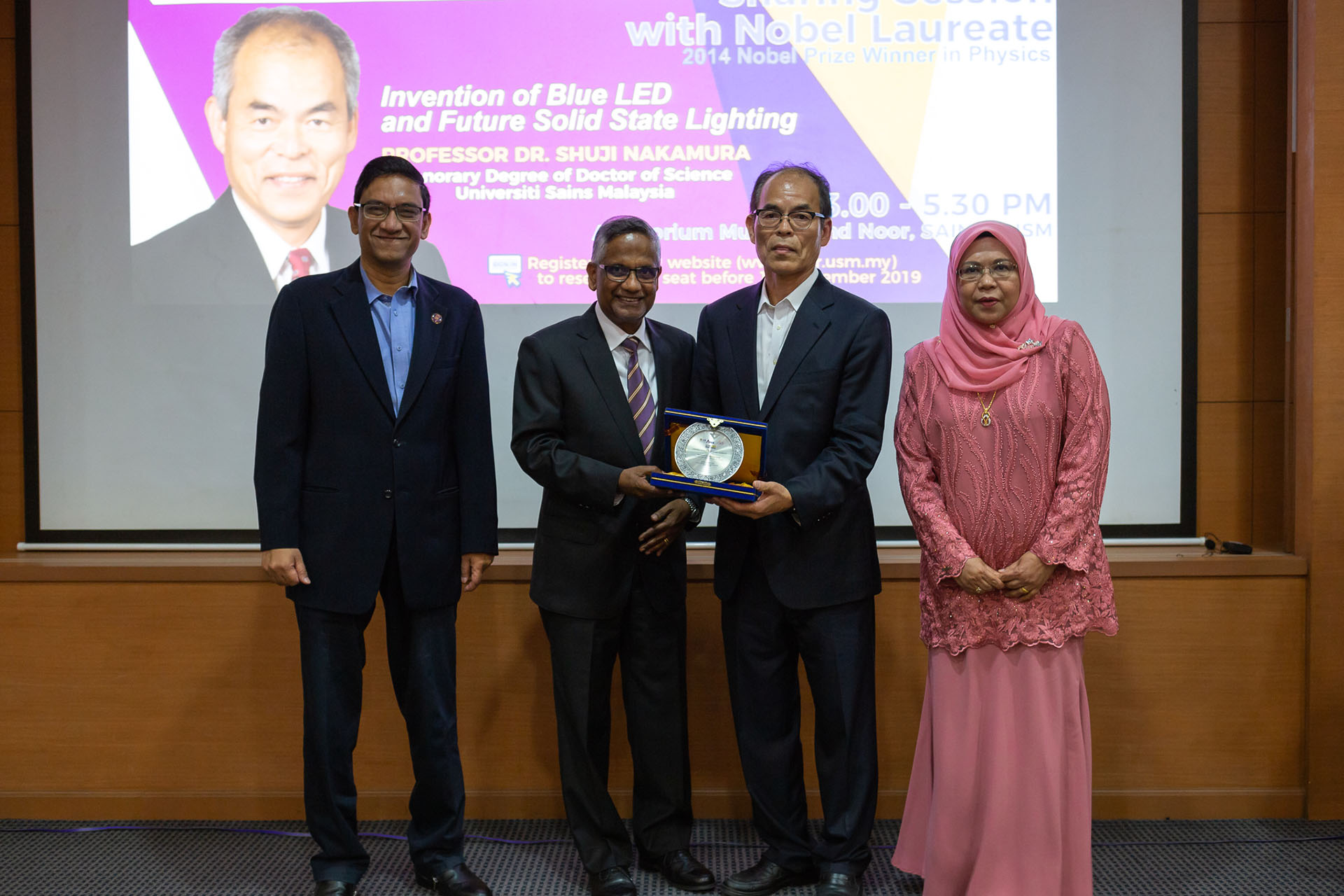
Collaboration with Nobel Laureate in Physics 2014, Prof. Dr. Shuji Nakamura and University of California Santa Barbara, USA GaN-on-GaN LED Program.
-
Sending 7 INOR researchers to University of California Santa Barbara USA for technology transfer on LED epitaxy
-
Start to offer Master of Science (Optoelectronics) and Doctor of Philosophy.
2017
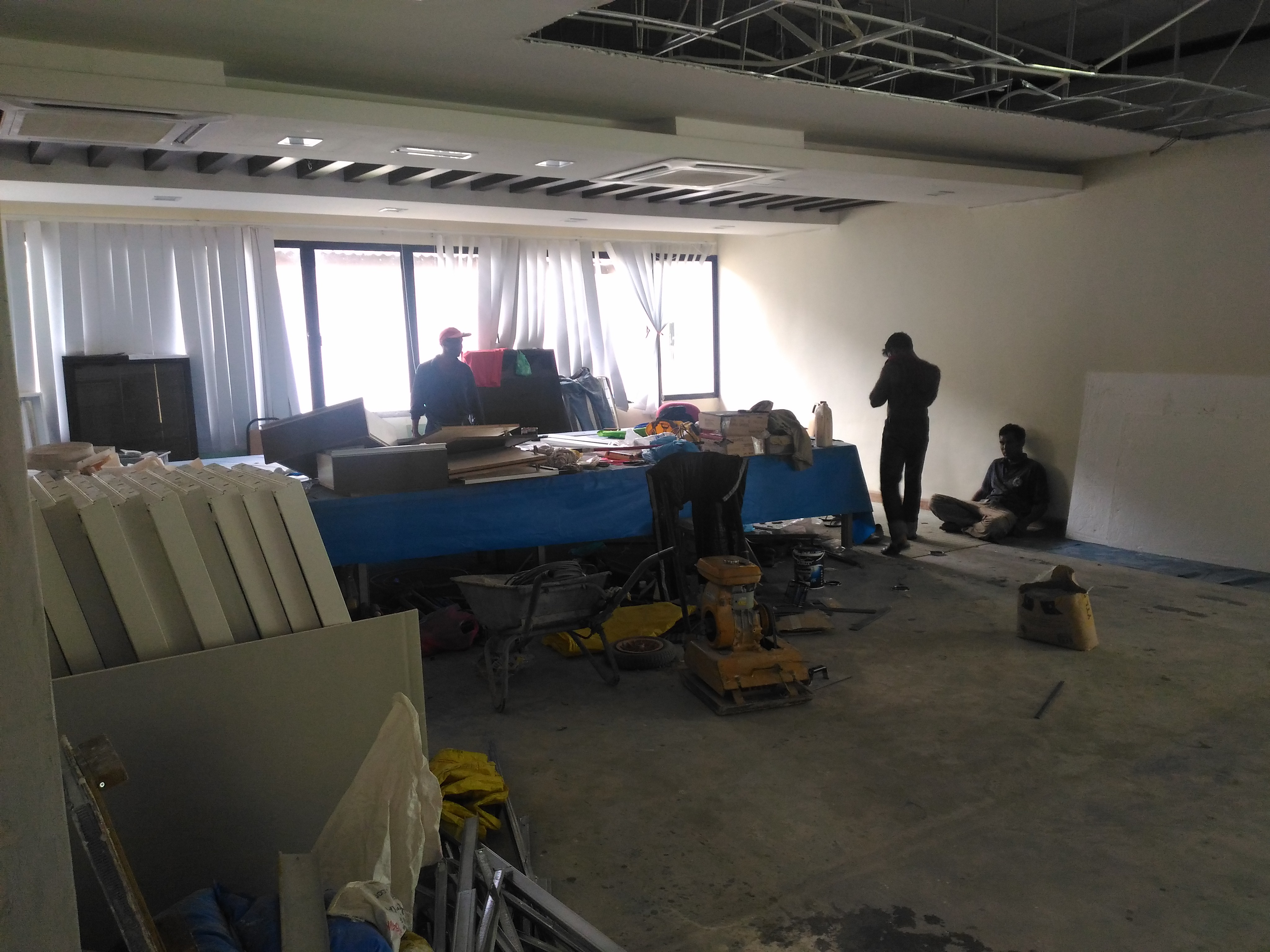
INOR Make Over
-
A New administrative office.
-
Etablishment of Epitaxy Reactor : Metal Organic Chemical Vapor Deposition (MOCVD) and Fabrication Facilities.
2018
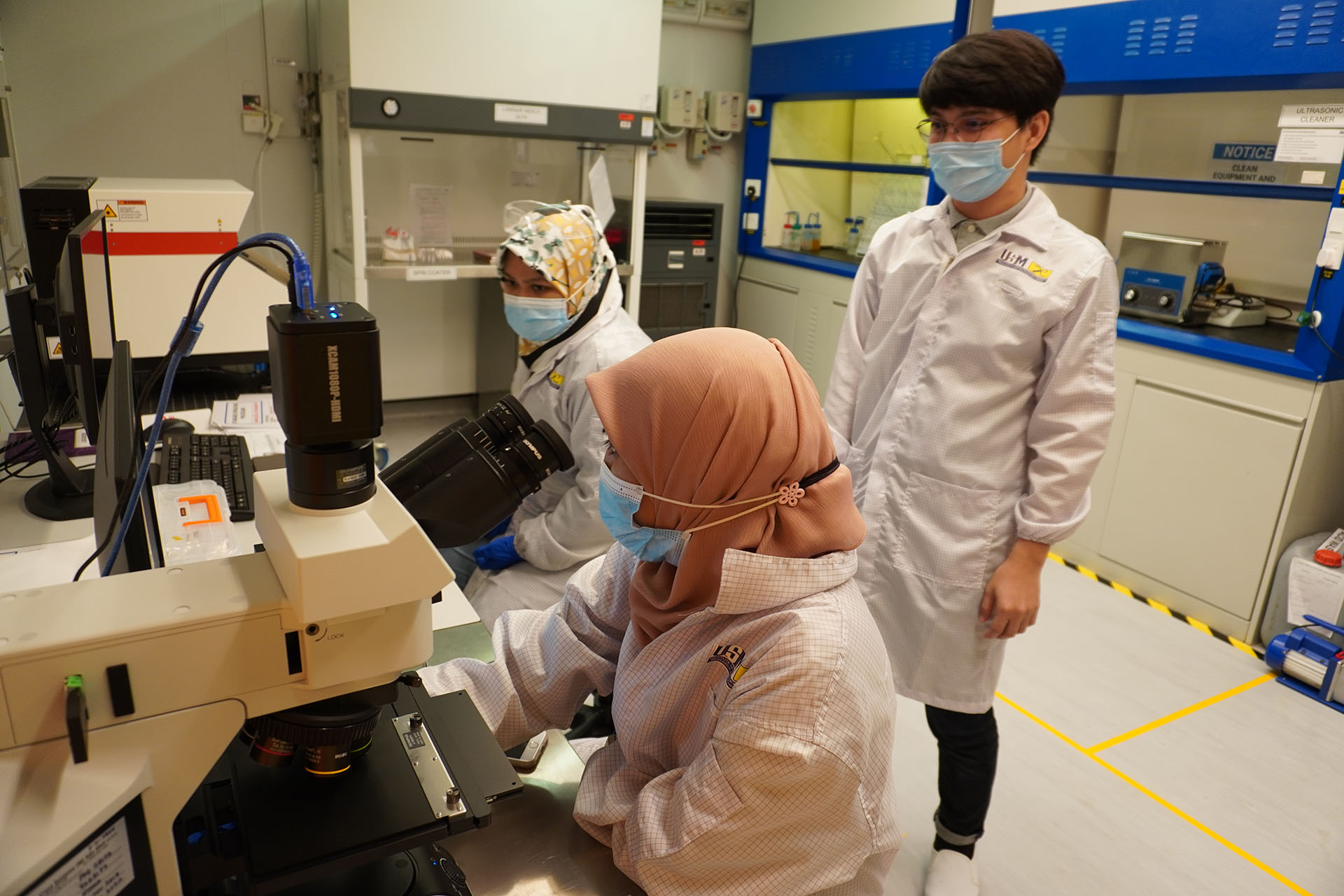
Establishment of MSc Mixed Mode Programme
-
Master of Science (Nanotechnology and Optoelectronics)
2019
1st Achievements
-
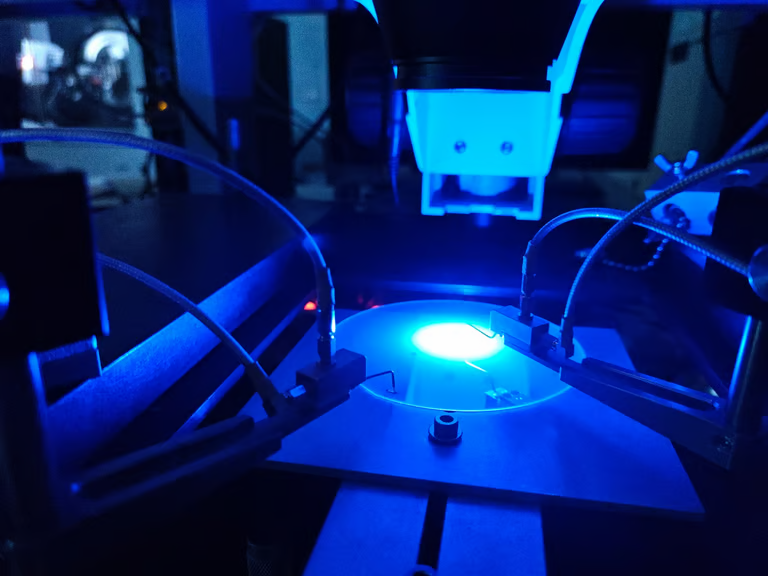
1st demonstrated blue LED, highlighting epitaxy capability of INOR
-
Following up the success, variety of devices has been developed.
2023
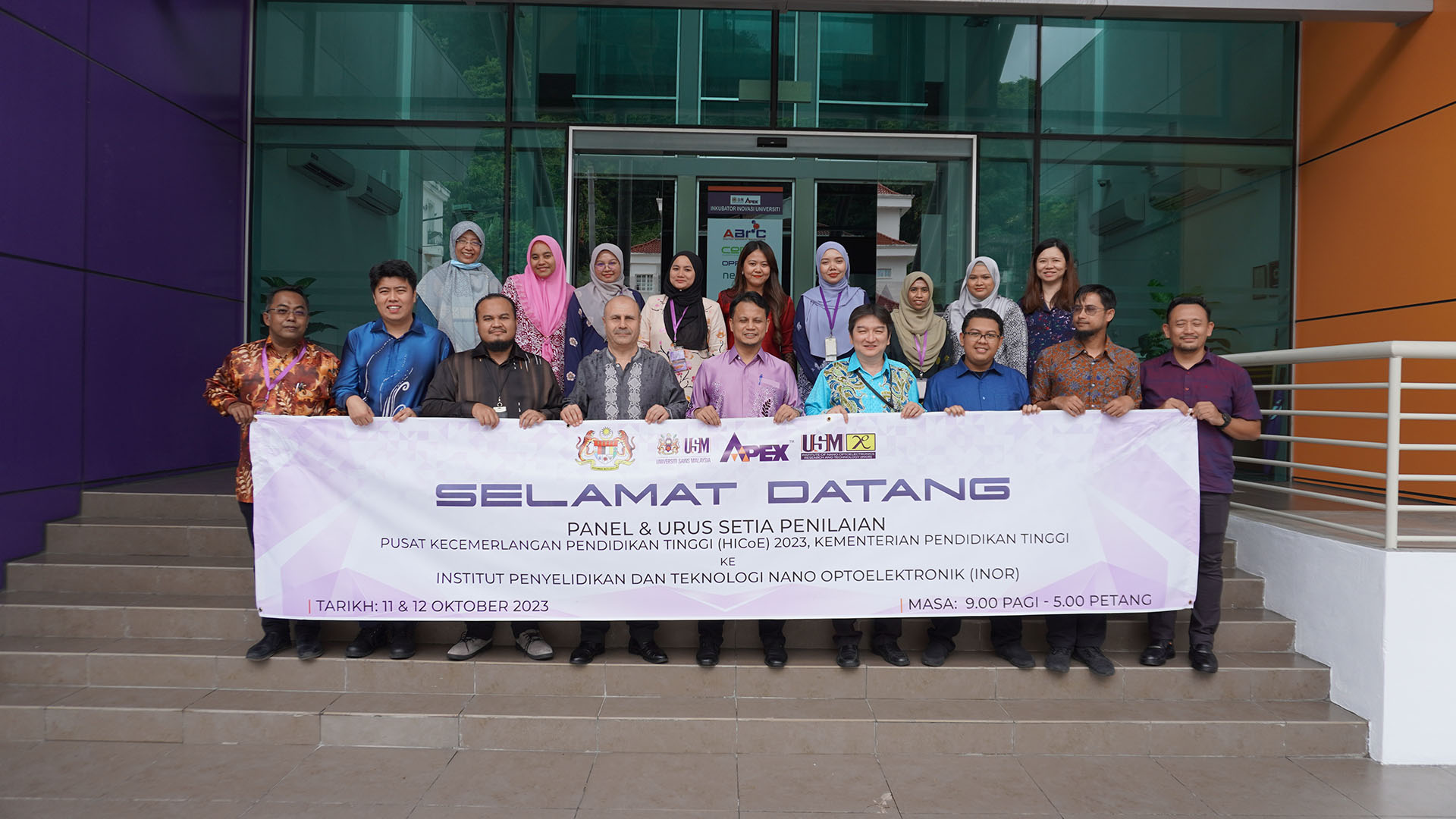
Higher Education Center of Excellence (HICoE)
-
Recognized as Higher Education Center of Excellence (HICoE) by the Malaysian Ministry of Higher Education (MoHE).
-
Focused the Niche Area of Knowledge and Discovery of Frontiers : III-Nitrides Epitaxy for Optoelectronics and Advanced Devices.